The Signal and The Noise
I remember the summer of 2019, when I first arrived in Old Rajendra Nagar to prepare for the civil services examination. The place buzzed with aspirations, a relentless hum of discussions, debates, and secret strategies. I found myself in a crowd of aspirants, lakhs for them carrying the same IAS dream but walking different paths.
In the beginning, I was just an observer. I sitting quietly in classes, absorbing lectures, spending hours in the so called ORN "library", lost in books. But the most overwhelming part was not the syllabus—it was the oversupply of advice. I was the perfect target. Silent. New. Overwhelmed.
"You must attempt at least 90 questions in prelims."
"No, accuracy matters more than attempts."
"You can't clear with Pub Ad optional. UPSC doesn't like it."
The words came from all directions—some from already selected candidates, others from those who hadn’t even cleared prelims. Yet, I listened to everyone trying to understand what they did right or could have done better.
Over time, I learned to filter. Some advice was a signal; most was just noise.
Everyone used to speak from their own experiences, but experiences are shaped by circumstances, biases, and personal limitations. What worked for one did not necessarily work for another. I would question everything. Was this strategy really effective, or was it just the result of one person’s luck? Was this method logical, or was it an emotional response to failure?
Years passed, and today, as I serve as an officer, I feel a strange déjà vu. My responsibilities are different, but the essence of the challenge remains the same. Now, instead of aspirants, I listen to citizens, subordinates, and superiors. Everyone has an opinion on how things should be done.
"This policy won’t work in our district."
"The previous officer never did it this way."
"You should just approve it—it’s a harmless request."
Some of these voices come from experience. Some come from bias. Some are well-intentioned but misguided.
The temptation to follow the loudest voices is always there. But I remind myself of those days in the library—when I learned that opinions are not always the truth. Just as I once filtered study strategies, I now filter perspectives. I weigh arguments, question assumptions, and try to think fundamentally.
Most importantly, I remind myself of what Epictetus once said: "Throw out your conceited opinions, for it is impossible for a person to begin to learn what he thinks he already knows."
To learn, to grow, and to govern wisely, I must question. Because if there is one thing I have realized through this journey, it is this:
[1] Never accept something just because everyone is doing it.
[2] Never reject something just because it is unpopular.
Always ask—is it right? Is it rational? Is it just?
I have come to realize, this is the real preparation—not just for an exam, but for life.
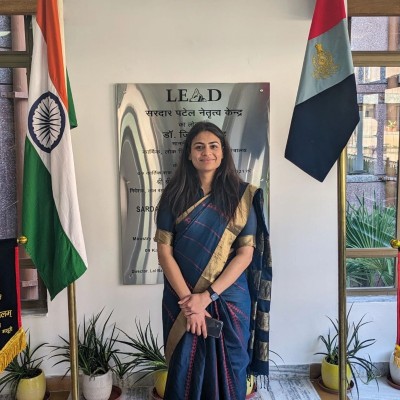
Pic: Some words stay with you forever, carrying wisdom that never fades.