Last week, I got a chance to catch up with old friends at Old Rajinder Nagar—the place...
Last week, I got a chance to catch up with old friends at Old Rajinder Nagar—the place considered a mecca for IAS aspirants.
Last week, I got a chance to catch up with old friends at Old Rajinder Nagar—the place considered a mecca for IAS aspirants.
Last week, I got a chance to catch up with old friends at Old Rajinder Nagar—the place considered a mecca for IAS aspirants.
While having a random conversation, one friend mentioned how he skipped his best friend’s wedding because it would have costed him a full day. It was difficult to miss the sense of pride visible on his face
Not only in UPSC preparation but also in the professional sphere, the same sense of pride is often seen in people who boast about how, in the last X years, they haven't attended a single family wedding, gone on any trips with friends, or attended any friends’ meetups.
I find this not only perplexing but also a little concerning.
I saw UPSC aspirants being too hard on themselves. Having fun is seen as a sin, while subjecting oneself to suffering is viewed as an end in itself. It becomes a way to convince oneself that they are serious about their goal.
This is more prominent in low-probability, high-impact events like the UPSC, where it's not easy to see the effects of the process on outcomes. Our brains' genetic make-up craves linearity between what you are doing and what you want to achieve. When you can't picture the relationship, you substitute the output with inputs/suffering in your mind and start obsessing over it
No matter what Bollywood might want you to believe, the bitter truth is that not only is there no correlation between suffering and success, but the correlation is actually negative. This is especially true in intellectual work (like exam preparation or professional tasks), where output is highly dependent on the brain’s efficiency
Your brain works more efficiently when it's relaxed, so the extra hours gained by missing joyful events are often nullified by the reduced productivity that comes from self-inflicted suffering.
While my work experience is limited, I have been fortunate to witness work and life from District Magistrates (DMs) at the top to frontline staff at the ground level. I observed a similar phenomenon in the professional world: staying busy is often seen as a badge of honor.
However, those who stay busy and those who produce results rarely coincide. A simple, efficient contractual computer operator often generates more outcomes than many employees combined.
I recognize that, in many cases, you won't have much choices. However, when you do have a choice—and it’s more often than you think—don’t fill your time with busyness just for the sake of it.
Opinions may vary, but in the end, any exam or job is just a means to an end—being happy with your friends and family. If working tirelessly makes you happy (and it certainly does for many), then by all means, pursue it and be a workaholic. Work becomes an end in itself in such cases
But don't commit the mistake of equating
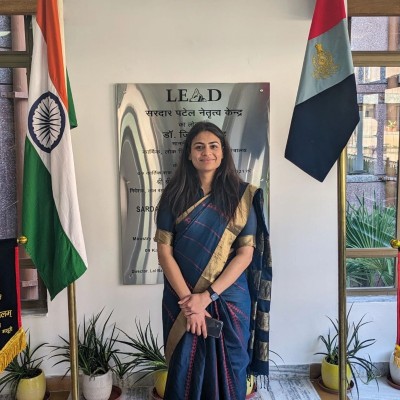
Pic: Old me, as an upsc aspirant, committing "sin" of going on a week long trek.